Neuroscience Education Excellence in Washington State. Empowering minds through innovative learning and cutting-edge brain science education.
Neuroscience Education
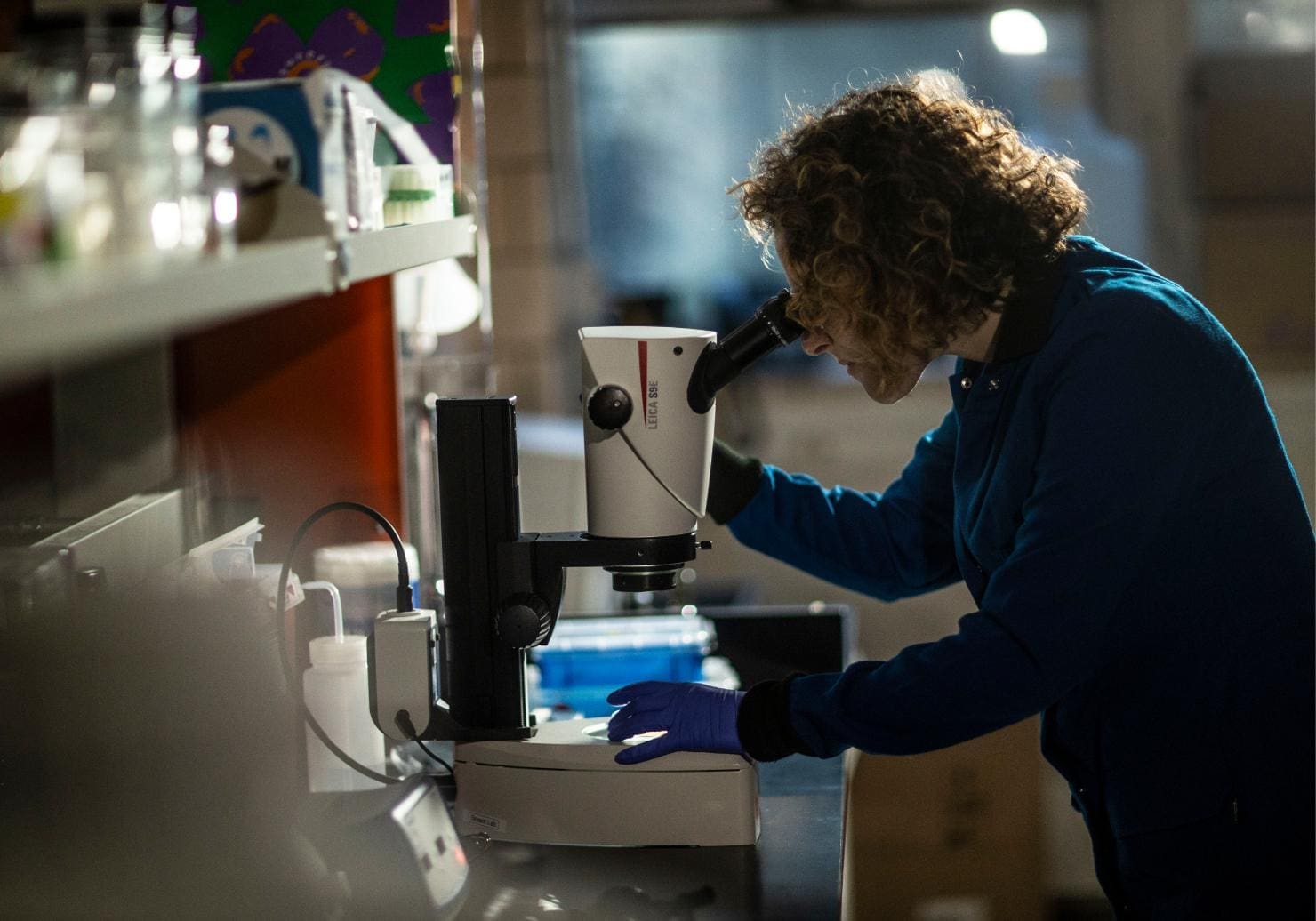
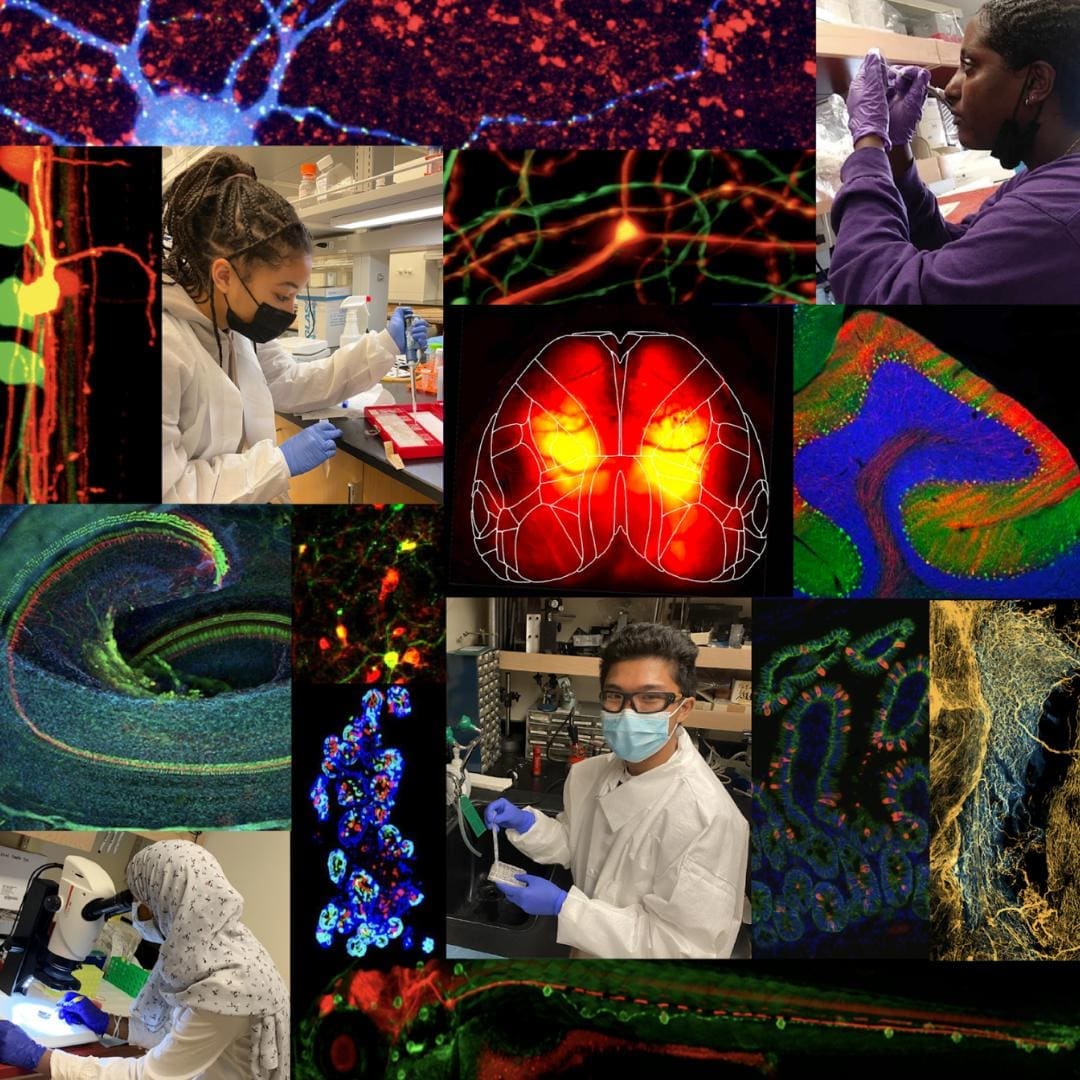
Multiple universities across Washington State offer comprehensive neuroscience programs designed to meet the needs of students at various academic levels. The pathway into neuroscience begins as early as high school, with biomedical internships that provide young students with their first hands-on exposure to research and laboratory techniques. From early biomedical internships through postdoctoral training, Washington State’s educational institutions are training the next generation of neuroscientists.
Neuroscience Education for High School Students
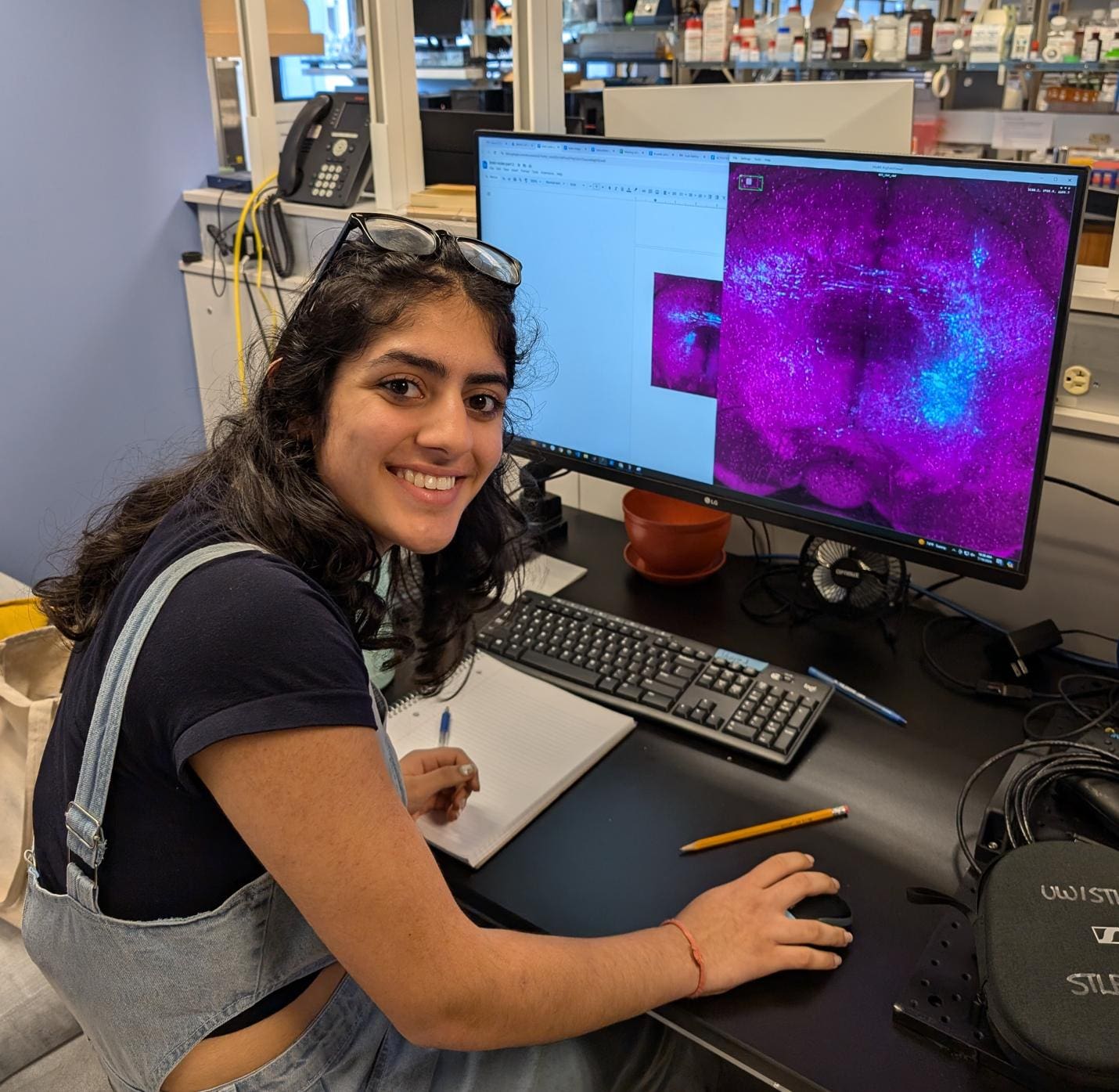
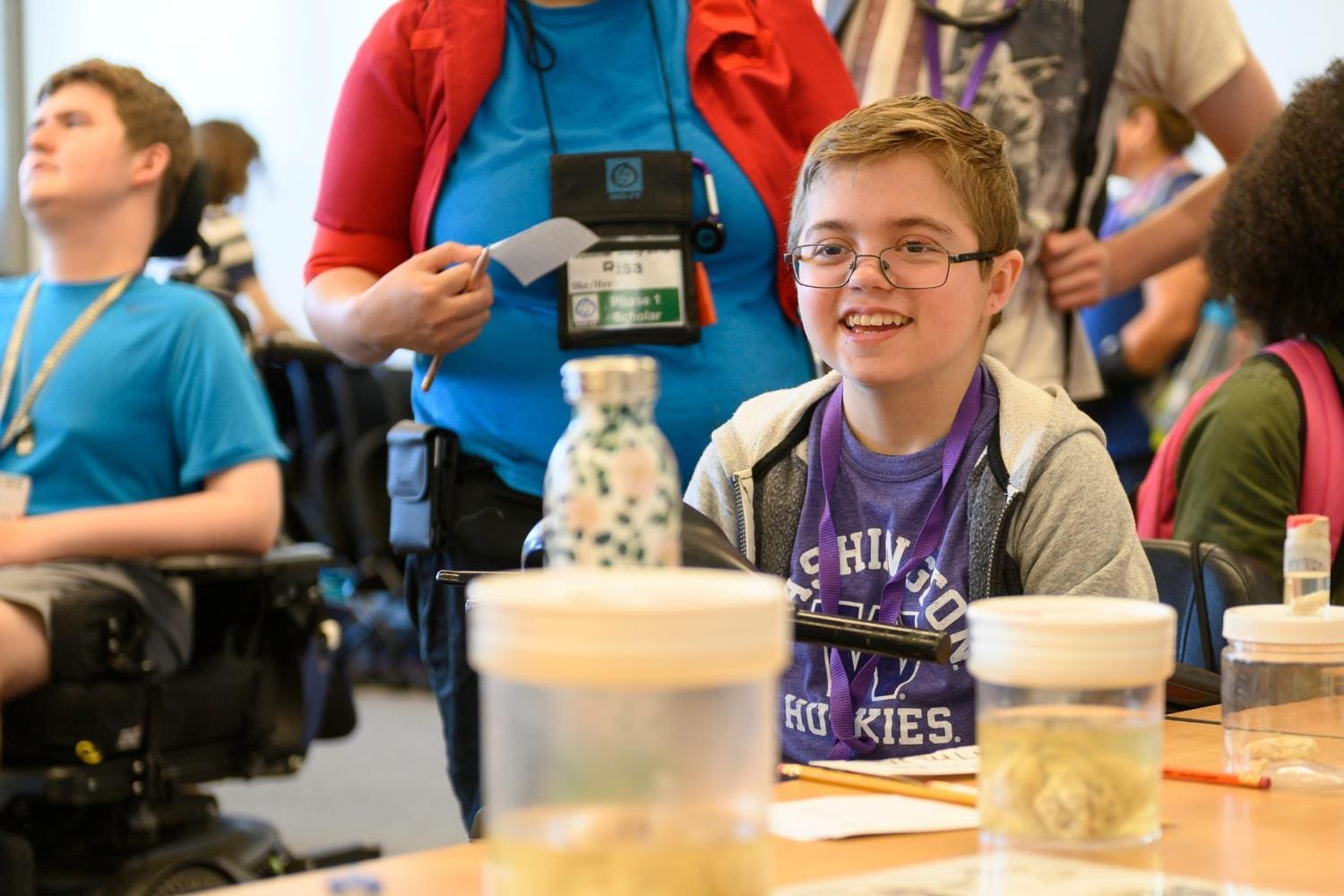
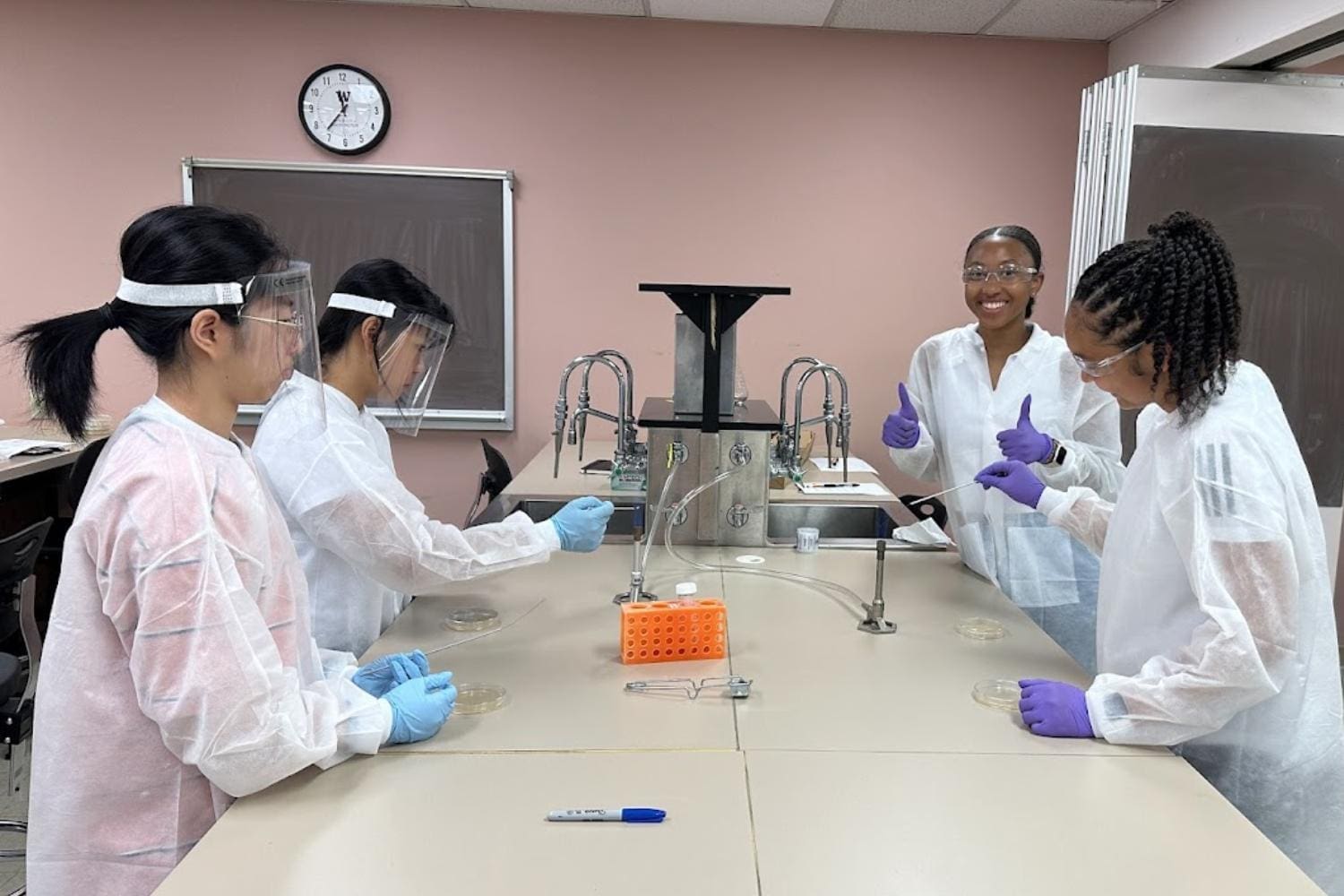
Washington high schools offer inspiring neuroscience pathways — supported by university partnerships, specialized outreach programs, and summer internships — where students can explore brain science and neural engineering alongside experienced teachers and peers who share their curiosity about how the mind works.
High School Programs
Neuroscience Education for Undergraduate Students
Washington state is home to several strong undergraduate programs in neuroscience, offering students a range of options across the state’s public universities. The University of Washington in Seattle offers an undergraduate program in Neuroscience through one of the nation’s leading research institutions. UW Bothell offers a Minor in Neuroscience through the School of Science, Technology, Engineering & Mathematics. Washington State University provides neuroscience majors at both its flagship campus in Pullman and its Vancouver campus, giving students flexibility in location while pursuing the same rigorous curriculum. Meanwhile, Western Washington University in Bellingham offers a Behavioral Neuroscience program with a focus on the intersection of brain science and behavior. Together, these programs reflect Washington’s commitment to accessible, high-quality neuroscience education at the undergraduate level.
Undergraduate Programs
Neuroscience Education for Postbaccalaureate Students
For students who have completed their undergraduate degree and are looking to deepen their research experience before applying to graduate or medical school, Washington state offers meaningful postbaccalaureate opportunities in the biomedical and neuroscience fields.
The Fred Hutchinson Cancer Center’s Postbaccalaureate Scholar Program in Seattle provides recent graduates with hands-on laboratory research experience at one of the world’s premier cancer research institutions, helping scholars build the skills and credentials needed to advance in scientific careers.
The Shanahan Undergraduate and Postbacc Fellowship Program offers a paid opportunity for predoctoral researchers at the interface of data and neuroscience. Student fellows are mentored by a current Shanahan Fellow, and gain hands-on research experience in neural computation, neural networks, and computational modeling/method development. Programs like this serve as a vital bridge between undergraduate study and advanced training, supporting the next generation of neuroscientists in Washington state.

Postbaccalaureate Programs
Neuroscience Education for Graduate Students
Washington state offers a rich array of graduate-level neuroscience training, spanning master’s, doctoral, and combined M.D./Ph.D. pathways. Washington State University provides a Master of Science in Neuroscience for students seeking advanced training at the graduate level, as well as a Ph.D. in Neuroscience for those pursuing original research and academic or industry careers in the field. The University of Washington’s Graduate Program in Neuroscience is among the most renowned doctoral programs in the country, drawing students into a vibrant, interdisciplinary research environment in Seattle. For students who wish to integrate clinical medicine with cutting-edge neuroscience research, the UW Medical Scientist Training Program (MSTSP) offers a competitive, NIH-funded M.D./Ph.D. pathway that prepares the next generation of physician-scientists. Together, these programs position Washington state as a premier destination for graduate neuroscience education and research.

Graduate Programs
Neuroscience Education for Postdoctoral Researchers
Washington state offers advanced fellowship training for neuroscientists and clinicians seeking to deepen their expertise beyond residency and doctoral study. The University of Washington hosts a suite of clinical fellowship programs, including the UW Neurological Surgery Fellowship, the UW Neurology Fellowship, and the UW Psychiatry Fellowship, each providing specialized training at the forefront of clinical neuroscience. Complementing these clinical pathways, UW also administers several NIH-funded T32 training grants that support postdoctoral and predoctoral researchers in focused areas of neuroscience inquiry, including the Vision Training Grant, Training in Theoretical and Computational Approaches to Neural Circuits of Cognition, the Biological Mechanisms of Healthy Aging Training Program, the University of Washington Alzheimer’s Disease Training Program (ADTP), the Auditory Neuroscience Training Program (ANTG) — a pre- and postdoctoral program housed in the Department of Otolaryngology — and the T32 Research Fellowship in Anesthesiology & Pain Medicine, which supports trainees exploring the neuroscience of pain. Together, these fellowships and training grants reflect the depth of UW’s commitment to cultivating the next generation of neuroscience leaders across both clinical and research domains.
Postdoctoral Fellowships and Training Programs
Neuroscience Programs for Clinical Residency
For clinicians pursuing specialized training in brain and nervous system medicine, Washington state offers highly regarded residency programs through the University of Washington. The UW Neurological Surgery program trains the next generation of neurosurgeons in advanced surgical techniques and patient care. The UW Neurology Residency prepares physicians to diagnose and treat the full spectrum of neurological disorders, while the UW Psychiatry Residency offers comprehensive training at the intersection of mental health and neuroscience. Together, these programs reflect the University of Washington’s commitment to developing skilled clinicians who are equipped to address some of the most complex and consequential conditions affecting the brain and mind.
Clinical Neuroscience Training Programs
Featured institutions
Washington state is home to an abundance of world-class institutions advancing neuroscience research and education across the region. UW Medicine stands at the forefront of academic medicine, integrating cutting-edge neuroscience research with patient care at one of the nation’s top-ranked medical schools. Fred Hutchinson Cancer Center drives pioneering biomedical research with broad implications for understanding the cellular and molecular underpinnings of neurological disease. Seattle Children’s Research Institute is dedicated to improving the lives of children through innovative research in neurodevelopment, behavioral health, and pediatric brain disorders. The Allen Institute for Brain Science is a global leader in large-scale, open-access neuroscience research, producing transformative datasets and tools that are advancing our understanding of the brain’s structure and function. Anchoring higher education east of the Cascades, Washington State University offers robust neuroscience training and research opportunities across its Pullman and Vancouver campuses. Western Washington University in Bellingham rounds out the state’s neuroscience landscape, providing students in the northern region with strong undergraduate training in behavioral neuroscience. Together, these institutions reflect Washington state’s remarkable depth and geographic breadth as a hub for neuroscience discovery and education.